
Get to know the composers: Piazzolla, Fanny Hensel Mendelssohn & Shostakovich
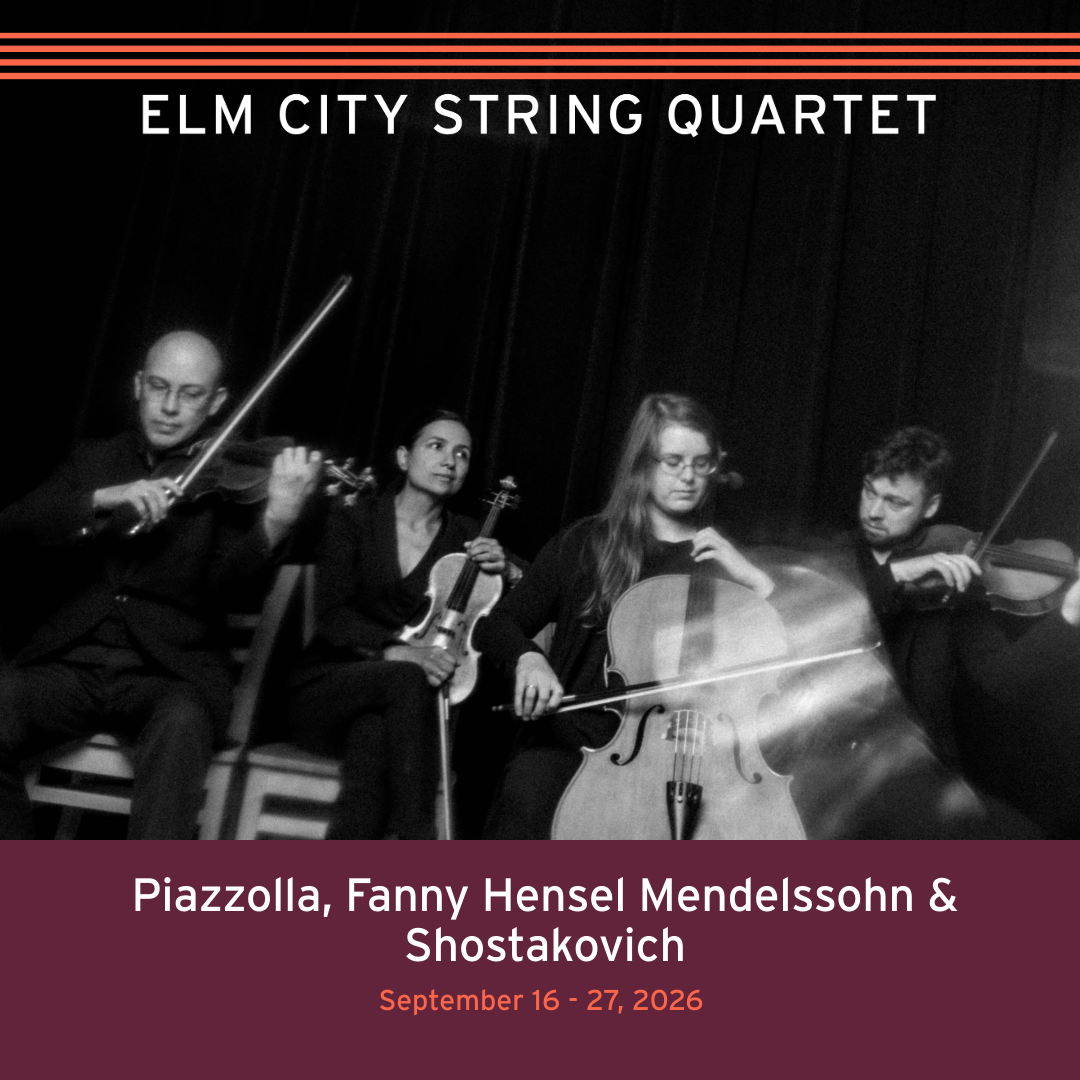
Well folks - this is it! Our season officially begins this week!! Our first show is this Wednesday in Moncton.
We’ve got a rocking program to start off the new year — because 2026-27 is our 5th birthday! To celebrate, each of us has individually curated a concert that features two of our favourite quartets from the ensemble’s back catalogue. This concert was curated by none other than Víctor Vivas!
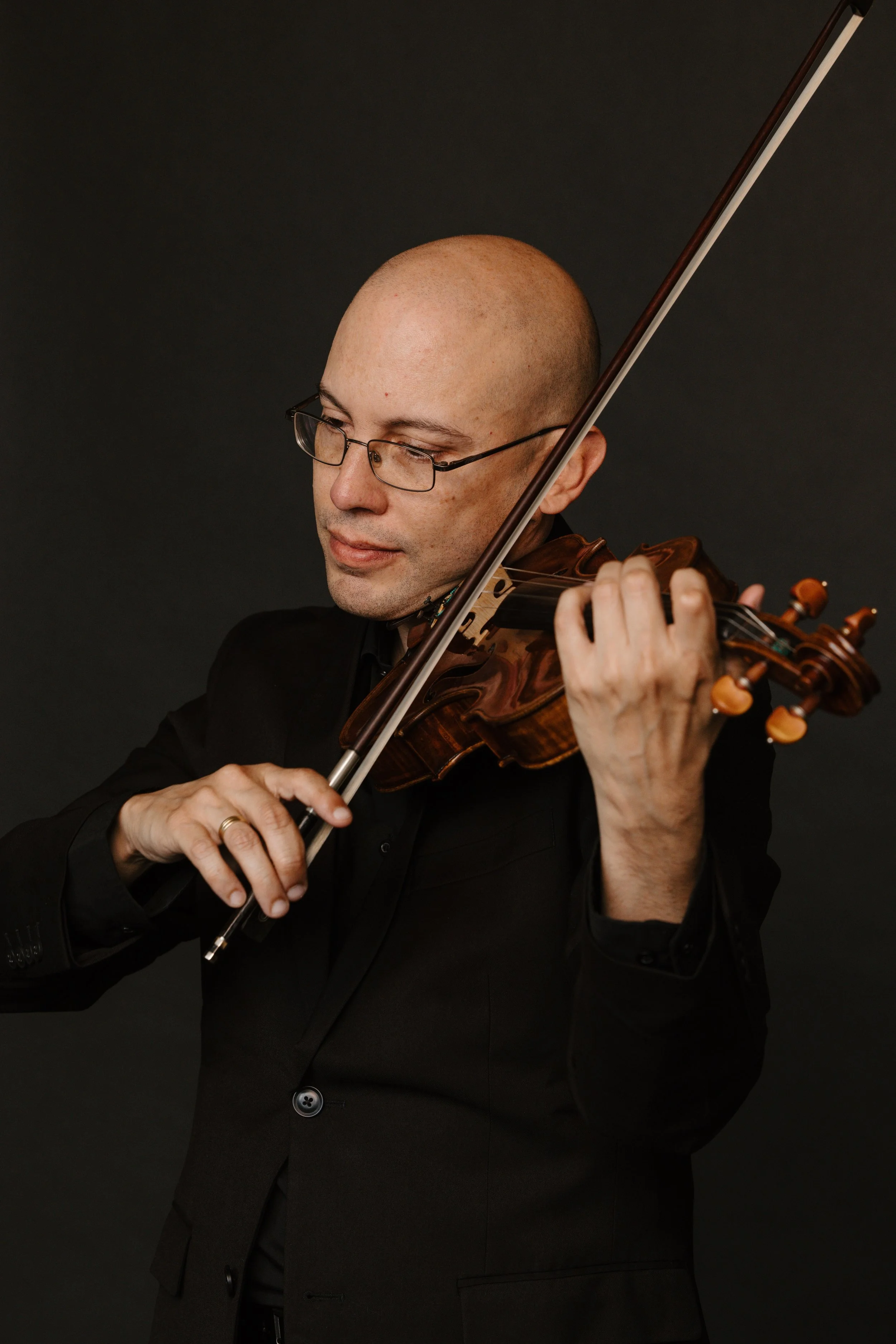
photo: Annie France Noël
“I have been drawn to Piazzolla’s music ever since I first heard one of his works on the radio when I was very young. With elements of jazz, classical music, tango, and contemporary music, his works are magnificent not only to perform but also to listen to closely. Piazzolla is the kind of composer who captivates you within just a few measures, making everything else disappear until the very last note.
Shostakovich’s String Quartet No. 3 was a piece that we really enjoyed working on and performing. In general, his music is demanding not only from an instrumental perspective, but also in terms of the maturity required to achieve its distinctive color. To perform Shostakovich, one needs to understand the art of irony as much as, or perhaps even more than, the art of combining sounds.
Both Piazzolla’s and Shostakovich’s music radiate courage and a need to share personal stories and transform them into universal ones.”
-Víctor Vivas
ECSQ Plays Piazzolla, Fanny Hensel Mendelssohn & Shostakovich
Moncton - September 16th, 7:30PM:
Centre culturel Aberdeen
Saint John - September 17th, 7:30PM:
Saint John Arts Centre
Florenceville-Bristol - September 18th, 7:30PM:
Second Wind Music Centre
Fredericton - September 26th, 7:30PM:
Wilmot United Church
Sackville - September 27th, 7:30PM:
Mount Allison Chapel via Greenslades
Tickets are available, and there’s still time to grab a season pass!
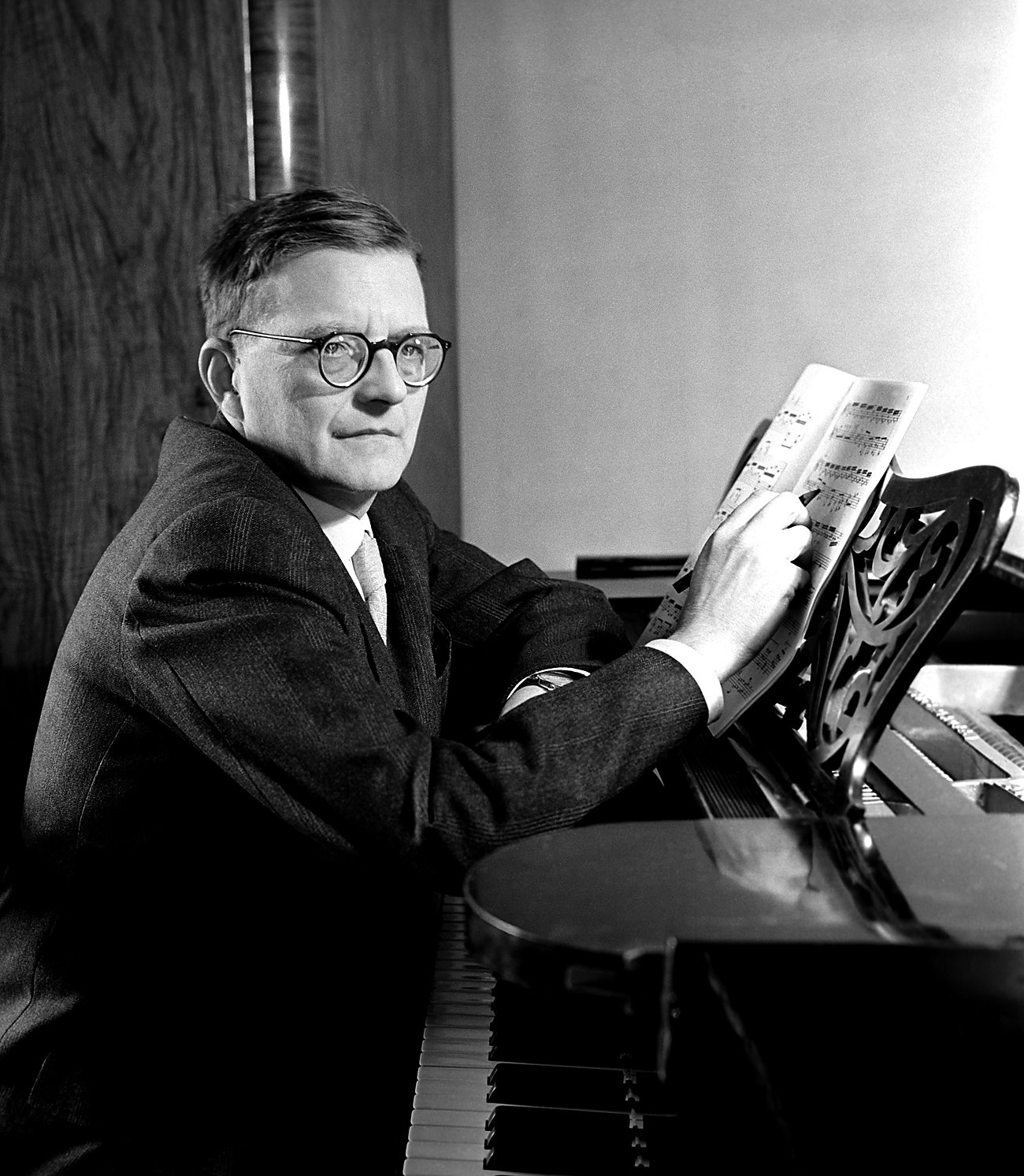
Dmitri Shostakovich
String Quartet No. 3 in F Major, Op. 73
Shostakovich was a Soviet-era Russian composer who was renowned for having a fraught relationship with its government. He lived his entire adult life inside the USSR, and his music was deeply affected by political events there, resulting in a life tormented by suffocating political repression, foreign invasion, and personal tragedy.
His Quartet No. 3 was written in 1946, and was the only piece of music that Shostakovich composed that year. The quartet was originally a programmatic work, with each movement given a subtitle to reflect the history of World War II in Russia: "Calm unawareness of the future cataclysm"; "Rumblings of unrest and anticipation"; "The forces of war are unleashed"; "Homage to the dead"; and "The Eternal question: why and to what purpose?".
Almost immediately after its premiere, he decided to remove these titles; possibly because of Soviet pressure, or perhaps to let the music speak for itself. It was around this time that the Soviet government began targeting artists with the purpose of forcing ideological uniformity amongst intellectuals. Consequently, the Third Quartet was withdrawn from public performances shortly after its premiere.
The quartet is a strange combination of playfulness, tragedy and profound seriousness – a prime example of Shostakovich’s sardonic wit. Shostakovich considered the quartet one of his finest works, and it certainly held some deep associations for him. He wrote to the second violinist and manager of the Beethoven Quartet, for whom he wrote the piece, that “it seems to me that I have never been as pleased with a composition as with this Quartet. Probably I am wrong, but that is exactly how I feel right now.”
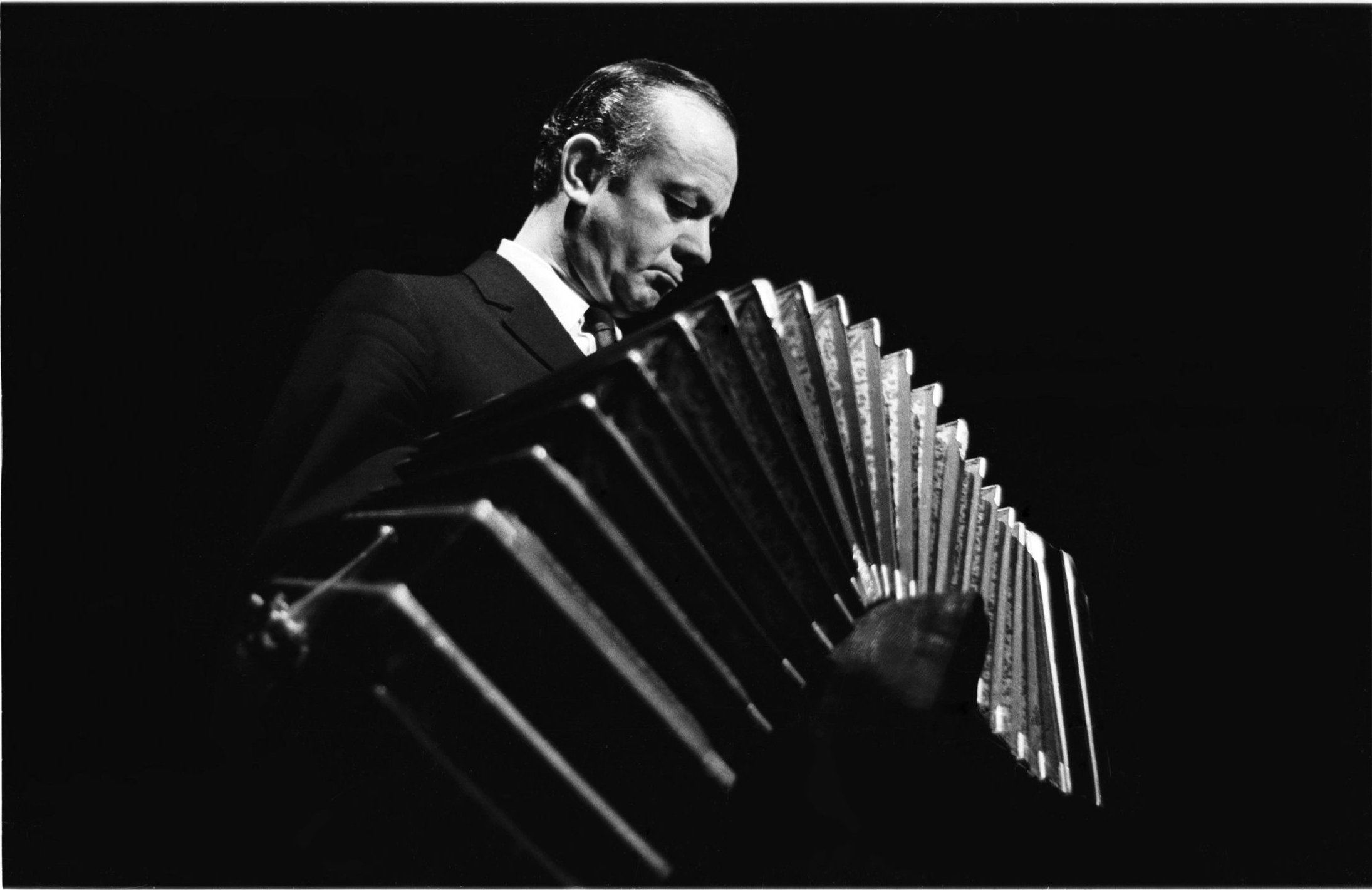
Astor Piazzolla
Tango Ballet
The Argentinian composer and virtuoso bandoneón performer, Astor Piazzolla, is known for reinventing the Tango. Born in Buenos Aires in 1921, Piazzolla divided his compositional efforts between arranging tangos for bands and studying classical music with the revered Argentine composer, Alberto Ginastera. After winning the Fabien Sevitzky competition in 1954, he was awarded a scholarship that gave him the opportunity to study with the iconic Nadia Boulanger in Paris (whose student roster included Leonard Bernstein, Aaron Copland, Quincy Jones and Philip Glass!). Boulanger encouraged Piazzolla to focus his compositional efforts on tango, when she claimed, “Astor, your classical pieces are well written, but the true Piazzolla is here, never leave it behind.”
With this advice, Piazzolla returned to Buenos Aires in 1955 where he formed his ensemble, Octeto Buenos Aires – and it is then that he began composing and directing Tango-Nuevo: a new style of tango that combines elements of traditional tango, classical music and jazz. In doing so, he transported tango from its origins in bordellos to the concert halls of Europe and America, revolutionizing tango as an art form. “I make elaborated music that has nothing to do with the origins of the tango—although it contains the perfume of tango,” Piazzolla once said. “Underneath this surface you can hear the tango.” Ironically, while he is greatly acclaimed today, for many years Piazzolla was disowned by Argentine tango purists, who denounced his compositions as corrupting the genre.
In 1956, Piazzolla composed Tango Ballet, which was originally written as a film score for an eight-person ensemble (that included two bandoneons, piano, and electric guitar!). The work was later rearranged for string quartet as a programmatic suite, and features six “film scenes”: introduction, the street, encounter / forgetfulness, cabaret, solitude, and the street again.
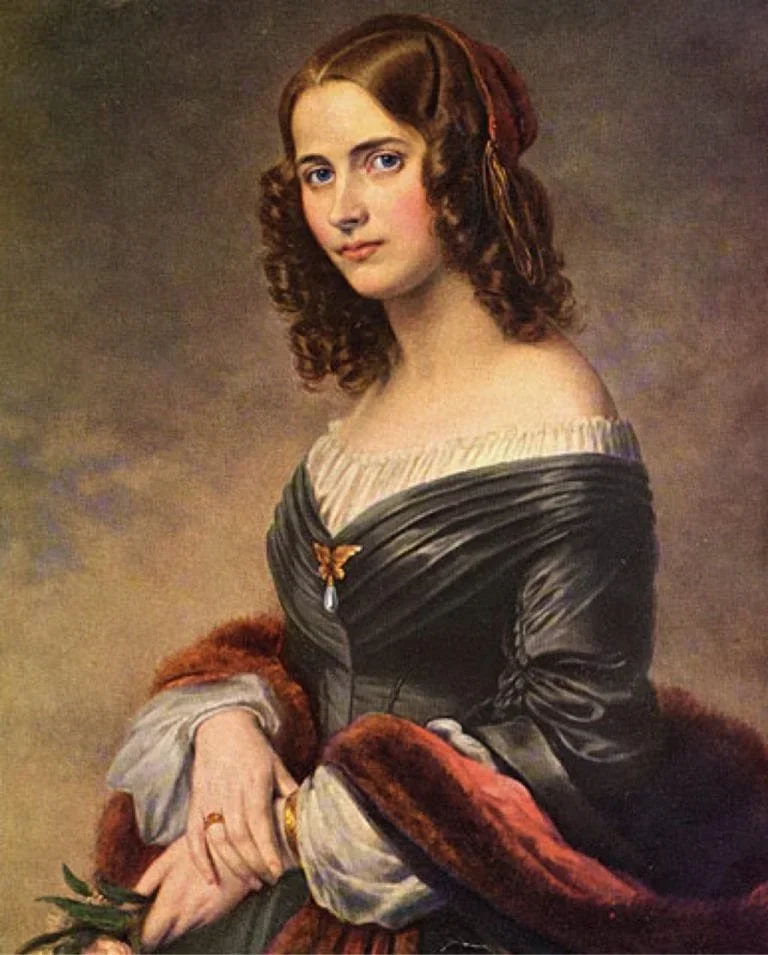
Fanny Hensel Mendelssohn
String Quartet in E-flat Major
Fanny Hensel Mendelssohn was Felix Mendelssohn’s older sister – a prodigious composer and pianist who (as was the way of the times) was completely overlooked by the history books. Her entire family (except for Felix) opposed her dreams of a career as a concert pianist or even as a composer. Ironically, most people who knew her playing considered her an even better pianist than her brother. Fanny had the exact same musical education as Felix, and was clearly dedicated to her craft; in her short life, she composed over 450 works. Despite this, most of them went unpublished in her lifetime (and most that were, she published under her brother’s name!). Only one collection of songs were published under her name – her Opus 1, and she unfortunately passed a year later at the tender age of 41.
We are fortunately left with her String Quartet in E-flat Major – written in 1834, it is one of the earliest surviving works in the genre to have been written by a female composer. The piece itself is a reworking of a piano sonata that she left unfinished. The quartet is dark and emotionally fraught, with a freedom of form and tonal ambiguity that was uncharacteristic (perhaps ahead?) of the time. Her brother criticized her for it, unfortunately shaking her confidence in writing for larger ensembles. It took her a full 13 years to write another chamber work, her Piano Trio in D minor, which she completed the year of her death.
Fanny was mostly absent from classical music discourse until the manuscript of a work inscribed “F. Mendelssohn” was discovered in a Paris bookstore in 1970. It was assumed to be a lost work by Felix, until musicologist Angela Mace authenticated it as an original Fanny Mendelssohn composition by matching the handwriting to a bound volume of her music that was missing some pages. Since then there has been renewed interest in her work, and she is finally properly credited for her compositions! A last fun fact to leave off – she has a planet (Minor planet 9331 Fannyhensel) named after her!
Program
String Quartet No. 3 in F Major, Op. 73, by Dmitri Shostakovich (1906-1975)
I. Allegretto
II. Moderato con moto
III. Allegro non troppo
IV. Adagio (attacca)
V. Moderato
Tango Ballet Astor Piazzolla (1921-1992)
- Intermission -
String Quartet in E-flat Major Fanny Hensel Mendelssohn (1805-1847)
I. Adagio ma non troppo
II. Allegretto
III. Romanze
IV. Allegro molto vivace